MetaMask swap is an in-wallet route finder for trading tokens across major networks
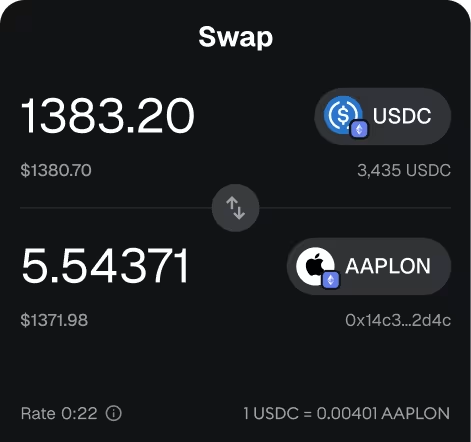
Metamask swap is an in-wallet exchange feature that searches aggregated liquidity for token trades and returns quoted routes inside the MetaMask wallet. It is built for users who want to swap ETH, USDC, stablecoins, governance tokens, and other supported assets without leaving their wallet interface. The wallet shows the assets, estimated network cost, price impact, and approval flow before the transaction reaches the selected blockchain.
Quote aggregation inside the wallet
The distinctive point is the quote layer. Rather than treating one decentralized exchange as the only venue, the feature compares available routes from aggregated services, liquidity pools, and market makers that support the selected network. A user chooses a token to pay, chooses a token to receive, enters the amount, and reviews a quote before signing. The wallet remains the transaction controller: the user account signs approvals and swap transactions, and the chain records the final settlement.
That design matters because token prices differ across venues. A USDC to ETH trade on Ethereum, for example, faces different pool depth, route structure, and gas cost than the same trade on Arbitrum or Polygon. Metamask swap brings those details into a single confirmation path, so the wallet screen becomes the place where the user compares expected output against transaction cost.
Networks, assets, and gas tokens
MetaMask is best known as an Ethereum wallet, but the product now covers a broader onchain experience that includes major networks and assets such as BTC, ETH, SOL, and stablecoins in the wider wallet ecosystem. For swaps, the relevant detail is the active network selected in the wallet. Ethereum uses ETH for gas, Polygon uses POL, BNB Smart Chain uses BNB, Avalanche C-Chain uses AVAX, and many Ethereum layer 2 networks use ETH for transaction fees.
The token pair must exist on the selected network. USDC on Ethereum is separate from USDC bridged or issued on a layer 2 network, and a token balance on one chain does not automatically pay fees on another. Before a trade, the wallet needs enough native gas token on that same network to submit the approval or swap. This is the most common reason a trade preview looks correct while the final button remains unavailable.
How a swap quote turns into an onchain transaction
A swap starts with a balance check, then a quote request. The quote includes the token amount, the expected output, the route, and the network fee estimate. If the token being spent uses an ERC-20 style allowance, the user first grants permission for the contract to move that token. After approval, the swap transaction executes through the route selected by the quote engine.
More broadly, Metamask swap does not change the basic blockchain settlement model. The user still signs with the wallet account, the transaction enters the network mempool or sequencer path, and finality arrives after the chain processes it. On Ethereum mainnet, gas cost has a larger influence on small trades. On layer 2 networks, lower transaction fees make smaller swaps more practical, although bridge costs and token availability still affect the overall decision.
Where ETH, USDC, and stablecoin trades fit
Many users reach for the feature after receiving ETH and needing a second asset. ETH to USDC is a common move for reducing volatility while staying onchain. USDC to ETH is common when a user wants gas-adjacent exposure without using a centralized exchange. Stablecoin-to-stablecoin trades matter when an application accepts one unit, such as USDC, while the wallet holds another supported stablecoin.
Day to day, Metamask swap also serves NFT and DeFi workflows. A user preparing to mint an NFT might swap into the chain's gas token. Someone interacting with a lending market might trade into USDC, DAI, WETH, or another accepted collateral asset. Because the process stays inside the wallet, the user avoids copying addresses into unrelated interfaces during a routine token exchange.
Price impact, slippage, and route quality
Every quoted trade has two separate cost forces: market movement and route execution. Price impact measures how much the order moves the available liquidity for that pair. Slippage tolerance defines how far the final execution price is allowed to move before the transaction reverts. Thin pools, volatile tokens, and large orders increase the gap between the preview and the final amount received.
The quote screen deserves attention when the token is new, illiquid, or heavily traded during a market event. A deep ETH and USDC pool produces tighter execution than a small pool for a niche token. Splitting a large order, changing networks, or waiting for calmer gas conditions produces a better outcome in many cases, especially when Ethereum base fees spike.
Wallet security signals during a trade
The wallet experience includes more than price discovery. MetaMask includes security alerts, threat monitoring, and transaction detail controls across its broader product experience. During a swap, the most relevant security step is reading what the wallet asks permission to do. Token approvals are normal for ERC-20 assets, but the spender, token, and amount should match the intended trade.
Importantly, Metamask swap keeps the signing moment inside the same wallet where the account and balances live. That reduces interface switching, but it does not remove the need to inspect unusual token names, fake tickers, or unexpected approval requests. Revoking stale allowances after experimenting with unfamiliar tokens is a sensible account hygiene habit for active DeFi users.
Making the first trade cleanly
The simplest setup is a small, liquid pair on a network where the wallet already holds gas. A new user might select Ethereum, choose ETH as the payment asset, choose USDC as the asset to receive, enter a modest amount, and compare the expected output with the gas estimate. If the fee overwhelms the trade size, a layer 2 network or a larger trade amount changes the economics.
A clean first run follows a short sequence:
- Confirm the wallet is on the intended network before selecting tokens.
- Keep enough native gas token for approval and execution.
- Use recognizable assets such as ETH, USDC, WETH, DAI, POL, BNB, or AVAX.
- Review price impact before accepting the quote.
- Wait for the transaction status before starting a second trade with the same funds.
Once those habits are familiar, Metamask swap becomes a routine part of wallet management rather than a separate trading workflow.
MetaMask, Uniswap, and centralized exchanges
Different tools fit different trading situations. MetaMask keeps the transaction inside a self-custody wallet and focuses on quote aggregation from the wallet screen. Uniswap is a decentralized exchange interface with deep brand recognition around automated market maker pools, especially on Ethereum and layer 2 networks. Coinbase and Kraken are centralized exchanges that pair account-based trading with order books, fiat rails, and hosted account infrastructure.
The choice comes down to where the assets already sit and what the user needs next. If tokens are already in MetaMask and the goal is an onchain trade, the in-wallet route is direct. If a user needs bank transfer support, tax reports from an exchange account, or advanced order types, a centralized exchange fits that job better. If the goal is to interact directly with a specific liquidity pool or DeFi interface, a dedicated decentralized exchange remains relevant.
Costs that appear before signing
The preview combines the expected token output with the network fee and routing details available at that moment. Gas is paid to the network, not to the token being purchased. The swap route also reflects liquidity provider fees and price movement inside the pools or services used to complete the trade. A service charge, when shown in the quote flow, is included before the user confirms.
In practice, Metamask swap is most useful when those pieces are visible enough for a decision. The user sees the trade amount, the asset received, and the fee environment before signing. That is the right moment to change the amount, pick a different network, or reject a route with poor execution. After signing, the blockchain transaction follows the rules of the selected network.
Metamask swap questions worth asking
What fees show up before using Metamask swap?
The preview shows the estimated network fee and the quoted token output before signing. Network gas is paid in the chain's native asset, such as ETH on Ethereum or POL on Polygon. The route also reflects liquidity pool fees and price impact. If the wallet presents a service charge in the quote flow, that cost is factored into the confirmation path before the transaction is submitted.
How long does a MetaMask token swap take to finish?
Completion time follows the selected network. Ethereum mainnet transactions take longer when blockspace is congested and gas prices are high. Layer 2 networks settle more quickly for most routine wallet trades. The wallet shows transaction status after signing, and the received token balance updates after the chain confirms execution. A stuck transaction points to gas conditions, nonce order, or a network delay rather than the token pair alone.
Do I need ETH to swap USDC in MetaMask?
You need the native gas token for the network where the USDC sits. On Ethereum, that means ETH. On Polygon, gas uses POL. On BNB Smart Chain, gas uses BNB. Holding USDC alone does not pay the transaction fee, even when USDC is the asset being sold. Keeping a small gas balance on each active network prevents failed approvals and unavailable swap buttons.
Which tokens are best for a first wallet swap?
Large, liquid assets make the first trade easier to understand. ETH, WETH, USDC, DAI, POL, BNB, and AVAX are common examples across major networks, although availability depends on the selected chain. A liquid pair gives a clearer quote, lower price impact, and fewer surprises at confirmation. New or thinly traded tokens require extra attention because fake tickers and poor liquidity distort the preview.
What happens if a swap fails after I approve a token?
A failed swap means the trade transaction did not complete, but an approval transaction that already confirmed can remain active. The original tokens stay in the wallet if the swap itself failed. The user can try a fresh quote, adjust slippage, wait for calmer network conditions, or revoke the unused allowance through a token approval manager. Gas spent on a confirmed approval or failed transaction is not returned.
Can I use Metamask swap for NFTs or only tokens?
The swap feature is for fungible tokens, not for buying a specific NFT collectible. It still helps NFT users because they often need the right gas token or payment asset before minting, listing, or bidding. A user might swap USDC into ETH before an Ethereum NFT purchase, or acquire the native token needed to pay fees on another supported network.
Is a hardware wallet compatible with MetaMask swaps?
A hardware wallet connected to MetaMask can sign swap approvals and transactions when the network and account are supported. The quote appears in the wallet interface, while the final approval happens on the hardware device. This setup keeps private keys on the device, but the user still reviews the same token, spender, amount, and gas details before confirming each transaction.